End-to-End Development of Precision Plastic Products: ESTOH (Part 1)
ESTOH Co., Ltd. (Headquarters: Ikuno-ku, Osaka, President: Kenji Nakamura), which joined the NOK Group in 2023, has built a strong track record in the production of plastic gaskets used in lithium-ion batteries (LiBs) for electric vehicles (EVs). It handles every step from mold design through to final production. ESTOH’s core strengths include designing and machining ultra-precise molds at the micrometer scale (one-millionth of a meter), advanced injection molding using those molds, and 100% visual inspection for quality control. Now part of the NOK Group, ESTOH is looking to tap into the Group’s R&D and marketing capabilities to unlock even greater synergy.
An end-to-end approach from precision mold design to mass production
ESTOH was founded in 1991 and began by producing plastic connectors for consumer electronics and mobile phones, as well as gaskets for coin-type batteries. These products are only a few centimeters in size and require extremely fine processing precision. Production volumes reach hundreds of millions of pieces per month, making stable quality essential.
Producing such high volumes of fine plastic products requires various technologies, not only in mold precision but also in maintaining that precision at the micrometer level and minimizing defect rates through comprehensive inspection. With 113 employees as of March 2025, ESTOH has built a system capable of handling everything from mold design and manufacturing to quality assurance under one roof, proudly operating under the banner of a "small-scale, world-class manufacturer.”
One of its key strengths, mold design, meets the challenge of producing large numbers of identical parts while maintaining dimensional accuracy. Plastic gaskets for LiBs are produced in the billions each month. ESTOH manufactures over 20 identical molds and uses them in-house for injection molding. The technical challenge lies in creating multiple molds with zero-dimensional deviation and ensuring they can consistently produce identical parts, even after tens of thousands of molding shots.
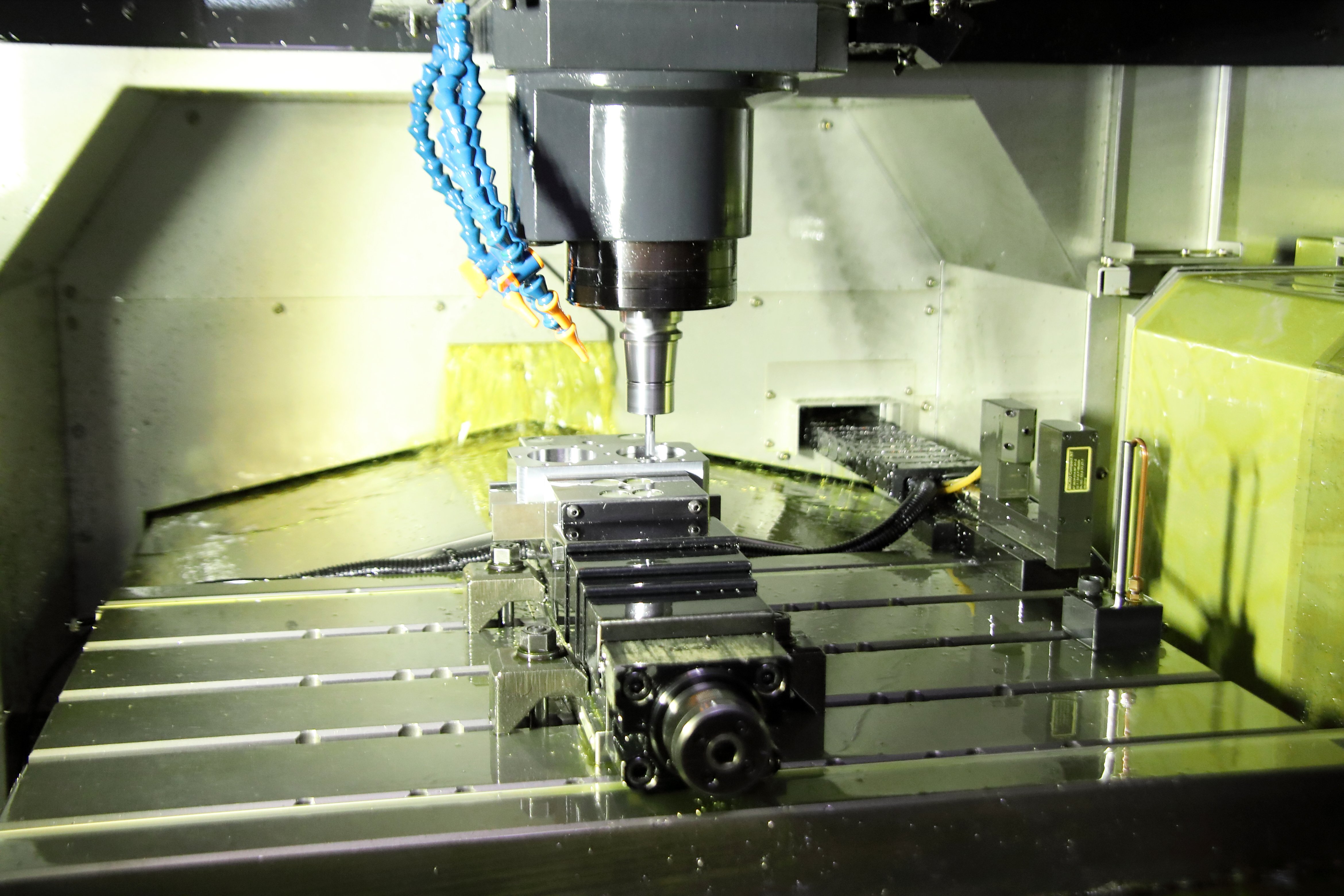
ESTOH can design and machine molds with dimensional accuracy within a 2-micrometer tolerance. For context, a strand of human hair is around 50 to 100 micrometers thick. To further support automation, the molds are engineered for easy ejection of parts, even in multi-cavity molds. This is crucial because separating molded products from the runner is inherently difficult. ESTOH has developed mold designs that use the mold's opening force to separate parts. A key technology enabling this is the pinpoint gate, which allows plastic to be injected from any location on the product surface. While this adds design flexibility, it also demands far greater machining precision. The mold must be split into three plates rather than the standard two, increasing the complexity and technical difficulty of production.
While it's common to guarantee 2.5 to 5 million molding cycles per mold, ESTOH guarantees a mold life of 10 million shots. “We design our molds for long service life by making them smaller and lighter through ultra-precision machining," explains Atsushi Uchida, Head of the Mold Technology Department. By reducing mold size and weight through innovative design and fine machining, clamping force requirements can also be lowered. This enables production using smaller, less burdensome injection molding machines, ultimately extending mold longevity through a range of innovations.
Excellence in Advanced Quality Management
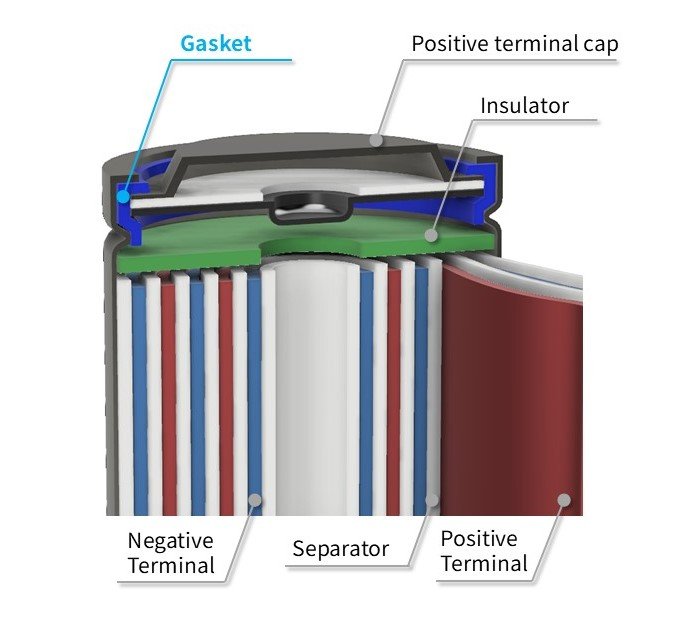
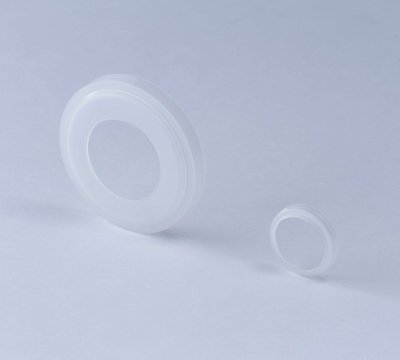
ESTOH specializes in gaskets for cylindrical lithium-ion batteries, similar in shape to standard household batteries, with 3,000 to 5,000 cells typically used in an EV battery pack. These gaskets function as seals to prevent electrolyte leakage. The company also manufactures insulators (donut-shaped components made of insulating material) for the same application, which come with similar manufacturing challenges.
Takamichi Ieshige, Executive Director of Production at ESTOH, cites product dimensional consistency as a key company strength. While every customer has acceptable tolerance ranges, ESTOH's products remain within even narrower ranges than those required by clients.
We can produce hundreds of millions of parts from a single mold with no variation, something no other company can match,” says Uchida. Maintaining such tight tolerances is especially valuable in applications like EV batteries, where product designs are continuously evolving and performance demands are increasing. “For our clients, preventing defects in new product launches is critical. They demand extremely tight quality control and approach companies like ours that can deliver,” Ieshige adds.
Manufacturing challenges will intensify as EV battery capacity increases and components become larger. Gaskets, too, will become harder to produce. As a result, ESTOH's strengths in quality management are expected to become even more of a differentiator. Looking ahead, LiBs are expected to see growing demand not only for EVs but also as emergency backup power for data centers and stationary charging units for industrial and residential applications. ESTOH is also optimistic about applying its unique strengths to these growing fields.
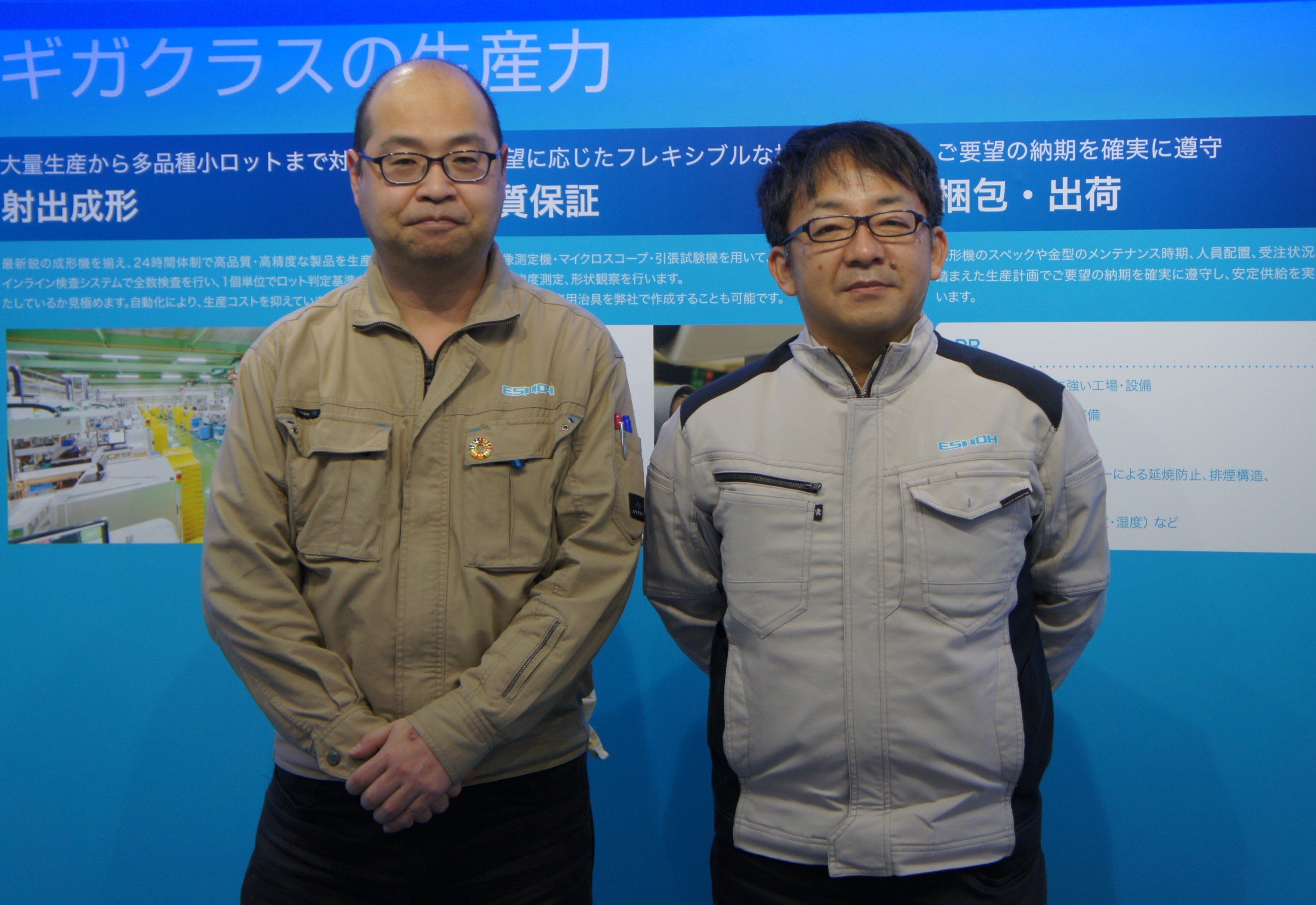
(Photo: Left)
Takumichi Ieshige
Executive Director of Production, ESTOH Co., Ltd.
Since joining ESTOH, Ieshige has worked primarily in plastic molding. He became Factory Manager of the Hirano Plant in 2011 and has overseen both production and production control departments as Executive Director since 2022. He is currently leading efforts within the NOK Group to standardize plastic molding technologies and promote smart factory initiatives where people and machines collaborate.
(Photo: Right)
Atsushi Uchida
Head of Mold Technology Department, ESTOH Co., Ltd.
Uchida joined ESTOH in 2020 to lead its Mold Technology Department. He draws on experience in mold design and fabrication from his previous role and is responsible for introducing mold automation systems. Today, he is focused on cross-functional collaboration in mold design and production across the NOK Group.
- Note:Data, positions and titles in this article are current as of February 2025.